Native, React Native, or Flutter: How to Choose in 2026
Native, React Native, and Flutter all remain viable in 2026. The right choice depends on your app, your team, and your timeline, not which is "best."
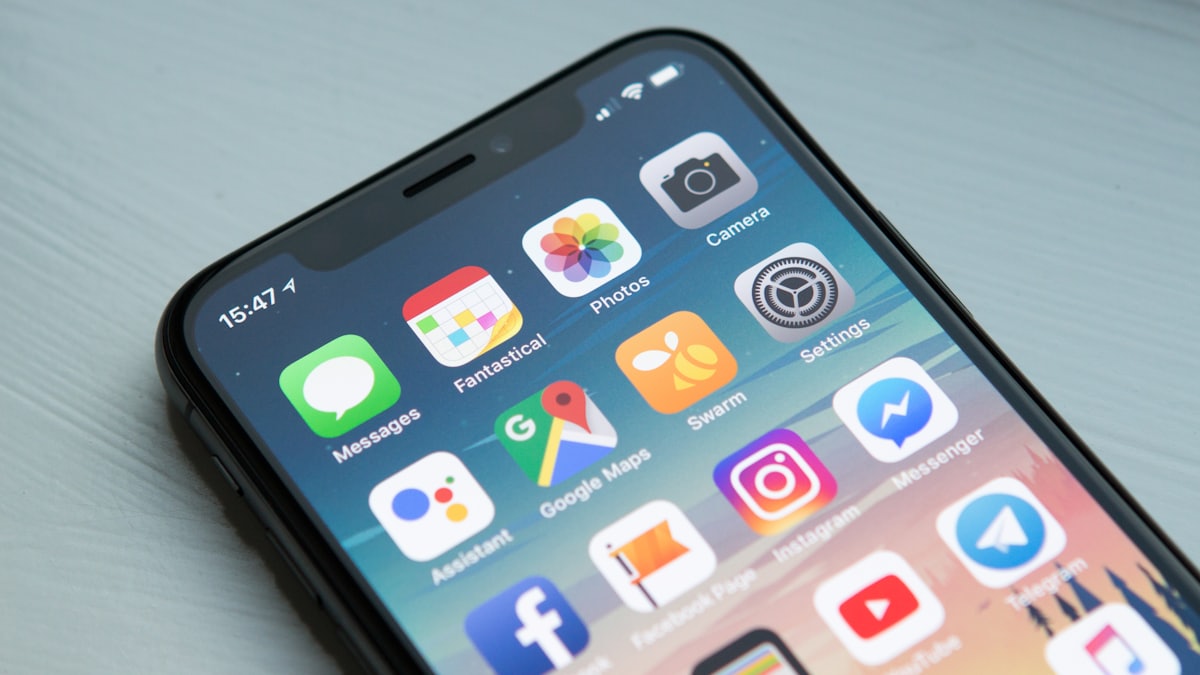
Every mobile app project eventually hits the same fork in the road: build natively for each platform, or use a cross-platform framework like React Native or Flutter to ship one codebase to both. There is no universally correct answer, and teams that pick based on which technology is trendiest often end up rebuilding later. The better approach is matching the choice to your app's actual demands.
What each option is actually good at
- Native (Swift/Kotlin or equivalent) — the best access to platform-specific features, the smoothest performance for graphics- or sensor-heavy apps, and the first place new OS capabilities show up. The cost is maintaining two separate codebases.
- React Native — a large ecosystem, a huge pool of JavaScript-familiar developers, and strong support for apps that share a lot of logic with a web product. Performance is generally good for typical business apps, with some ceiling for very animation-heavy interfaces.
- Flutter — a single codebase that renders its own UI rather than relying on native components, which gives very consistent visuals across platforms and strong performance for custom-designed interfaces. The trade-off is a smaller pool of experienced developers and a different mental model (Dart) than most web teams already know.
Questions that actually decide it
- How complex is the UI, and does it need to feel platform-native or brand-consistent across both? Flutter tends to shine when consistency matters more than platform convention.
- Does the app need deep integration with device hardware, AR, or the latest OS features on day one? That favors native.
- Do you already have a team with React or JavaScript experience? React Native lets that experience transfer.
- What is the realistic budget and timeline? Cross-platform frameworks generally mean one build instead of two, which shows up directly in cost and time to market.
- How long does this app need to live, and how often will it change? Apps with a long roadmap and frequent updates benefit more from a single shared codebase.
Where cross-platform starts to strain
Even mature cross-platform frameworks can require dropping into native code for specific features — certain background processing, some payment integrations, or brand-new OS capabilities. That is not a dealbreaker, but it means "we avoided native entirely" is rarely the full story for a nontrivial app. Budget some room for platform-specific work regardless of which framework you choose.
A reasonable default
For most business apps — content, commerce, booking, internal tools, service apps — a cross-platform framework is a sensible starting point, because it gets you to both app stores faster and keeps one codebase to maintain. Reach for native when performance or hardware access is central to what the app does, or when a single platform is genuinely your only real market.
It is also fine to change your mind later
None of these choices are permanent in the way they can feel at the start of a project. Teams migrate between frameworks, and from cross-platform to native for a specific screen or feature, more often than the initial planning conversation suggests they will. Treating the first choice as a considered starting point rather than a permanent commitment takes some of the pressure off getting it perfect on day one, as long as the codebase is kept reasonably clean as it grows.
If you are weighing this trade-off for a specific product, a short technical discovery with a mobile app team usually settles it faster than researching frameworks in the abstract.
Where to go from here
The "right" framework is the one that fits your app's actual requirements and your team's real skills, not the one with the most enthusiastic blog posts. Get specific about your constraints before you get attached to a technology. If you'd like a second pair of eyes on this, tell us what you're building — we reply within one business day.