Design Systems: Why Consistent Products Ship Faster
A design system is not just a style guide. Done right, it is what lets small teams design and build new features without starting from zero each time.
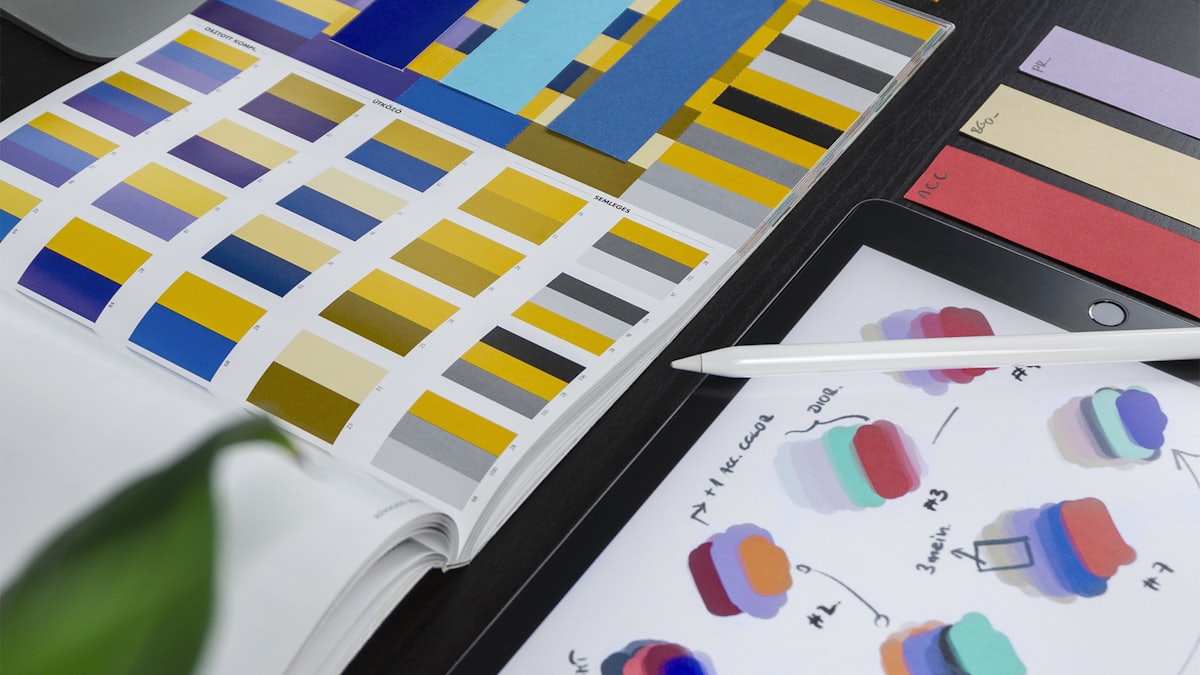
There is a point in every growing product where design and development start slowing each other down. A new feature needs a button, and nobody is sure if it should look like the one from three months ago or a slightly different one someone else made last sprint. Multiply that small ambiguity across dozens of components and a handful of contributors, and you get a product that feels inconsistent to users and expensive to build for the team behind it. A design system is the fix, but it is worth being precise about what that word actually means.
A Design System Is Not a Style Guide
A style guide is a document showing what things should look like. A design system is a working set of reusable components, patterns, and rules — implemented in code, not just described in a PDF — that designers and engineers actually build with. The difference matters: a style guide can be ignored under deadline pressure. A component library that is faster to use than building from scratch gets adopted because it is the path of least resistance, not because anyone was told to follow the rules.
Why Speed Improves, Not Just Consistency
The instinct is to think of design systems as a polish investment. The bigger payoff is usually velocity.
- New features assemble from existing, tested components instead of custom one-offs
- Designers spend less time redrawing basic elements and more time on the problems unique to a new feature
- Engineers spend less time debating pixel values and more time on logic
- Onboarding a new designer or developer is faster because the patterns are documented and consistent
What Belongs in a Practical Design System
A design system does not need to be exhaustive to be useful. A focused, well-maintained set beats a sprawling, half-finished one.
- Core tokens: color, type scale, spacing, and elevation, defined once and referenced everywhere
- A component library covering the handful of elements used constantly (buttons, forms, cards, navigation)
- Documented states: hover, focus, disabled, loading, error — the details that get skipped without a system
- Usage guidance that explains when to use a pattern, not just what it looks like
Common Ways Design Systems Fail
Most design systems that stall out fail for the same handful of reasons: they are built once and never maintained, they are owned by design alone with no engineering buy-in, or they try to cover every edge case before shipping anything usable. A design system that ships small and grows with real product needs outperforms one that tries to be comprehensive on day one.
Starting Small Without Losing Momentum
If you do not have a design system yet, resist the urge to build a comprehensive one before using it. Start with the components your product already reuses most — buttons, inputs, cards — formalize those, and get them into production. The system earns credibility by solving a real, immediate problem, and that credibility is what gets the next round of components built.
Who Should Own It
Ownership questions stall a lot of design systems before they get anywhere. Design cannot maintain a system alone if engineers are quietly rebuilding components in code that never make it back into the shared library, and engineering cannot own it alone without losing the design intent behind each pattern. The systems that stick tend to have a small, named group — sometimes one designer and one engineer, not a whole team — responsible for reviewing additions and keeping the library from drifting out of sync with what is actually shipping.
- Assign clear ownership before the system grows past a handful of components
- Treat proposed additions like any other code review, not an afterthought
- Revisit the system on a regular cadence so it reflects the product as it exists today
Where to go from here
A design system pays for itself the moment a team stops re-deciding the same small design questions on every project, and that moment usually comes sooner than people expect. Our UI/UX design services help teams build and adopt systems that actually get used, not just documented. If you'd like a second pair of eyes on this, tell us what you're building — we reply within one business day.